


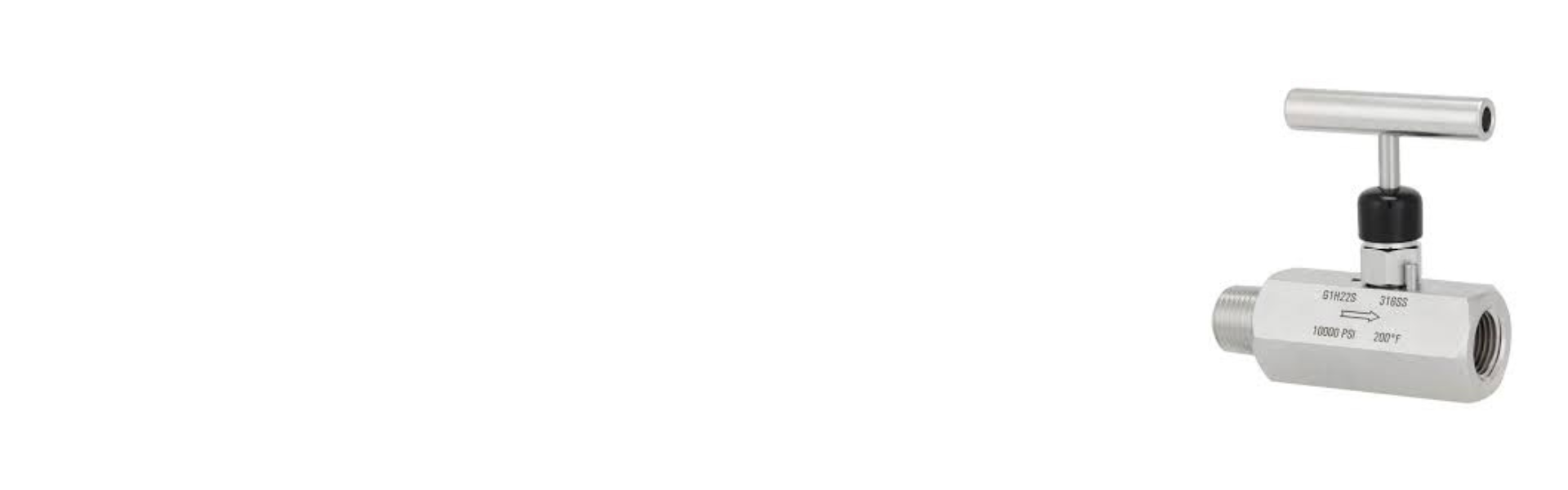
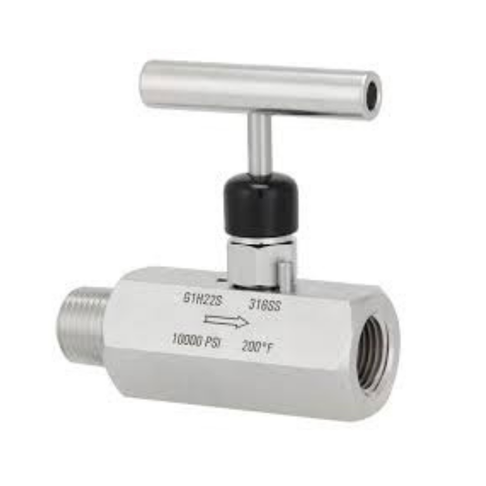

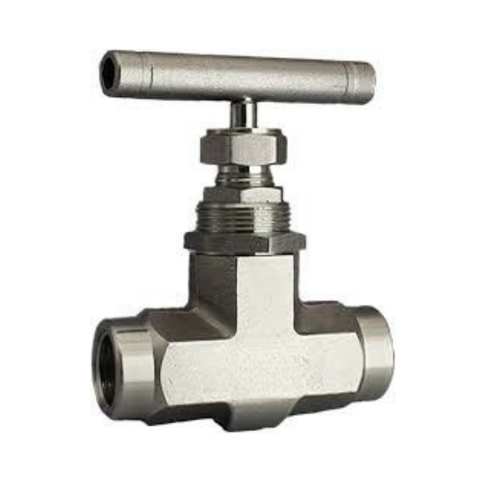
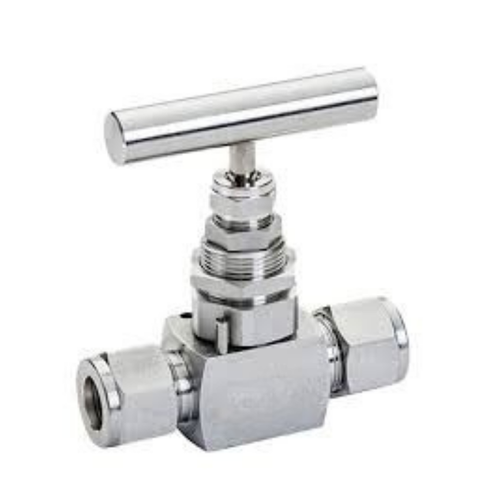
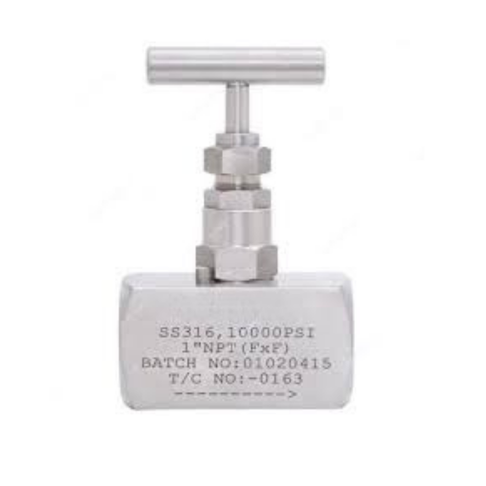
What is a 10,000 psi Needle Valve?
A 10,000 psi needle valve is a high pressure needle valve rated for extreme service: about 690 bar or 69 MPa.
You need this when your system runs above 6,000 psi but you’re not willing to gamble with a valve that’s only rated for 6,000 psi. Think downhole tool testing, high pressure gas compression, or subsea hydraulic controls.
At 10,000 psi, there’s no room for shortcuts. Our valves have thicker walls than our 6,000 psi models. Stronger threads. Heavier packing. And every body is forged, not cast, because cast bodies can have tiny air pockets that turn into cracks at extreme pressure.
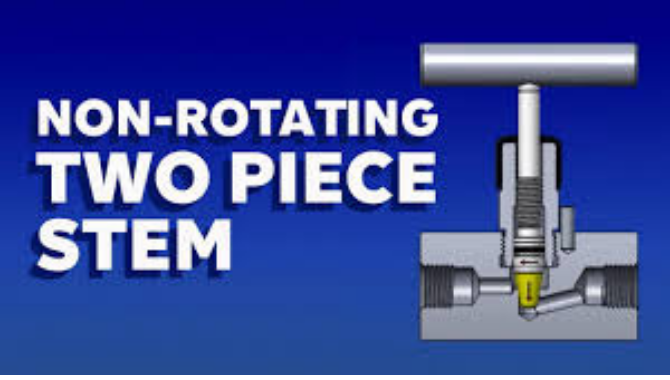
The non-rotating stem tip is standard. It doesn’t spin against the seat. That means less wear, longer life, and fewer replacements when you’re cycling the valve every day.
If your application runs at 8,000 psi or above, don’t use a 6,000 psi needle valve. Get one that’s actually rated for what you’re doing.
- Parameters
- ISO-9001 Certificate
- MTC
- EAC1
- EAC2
- EAC3
- EAC4
- EAC5
Working Pressure: 10,000 psi (690 bar/69 MPa)
Size range: 1/8″ to 1″
Body material: SS316, SS304
Stem tip: Non-rotating (standard)
Packing: PTFE (standard, to 200°C), Graphite (optional, to 450°C)
Connection types: Compression, NPT, BSP, flange, socket weld. butt weld


The 10,000 Psi Needle Valve Rating, Suitable for When 6,000 Isn't Enough
6,000 psi needle valves can be used for many applications. However, there are times when even greater pressures are needed. Downhole tools, high pressure gas line, and deep sea equipment are tested at 10,000 psi or higher. If your system runs at 8,000 psi and you use a 6,000 psi needle valve, you’re being risky.
Our 10,000 psi needle valves have extra heavy walls, threads, and packing for these extra tough jobs where a 6,000 psi valve is not adequate.
We manufacture our needle valves in 3,000 psi, 6,000 psi and 10,000 psi. We can help you determine the proper valve pressure rating for your specific application. Sometimes 6,000 psi is all you need and other times a higher 10000 psi rating will be required.
Forged Body, No Castings
There is a problem with cast valves: they have tiny voids inside the metal. You cannot see them. They work well for low-pressure work such as water lines, air compressors, and general plumbing. These systems run at 150 psi or 300 psi. However, at 10,000 psi, they become cracks, and the valve fails with no warning.
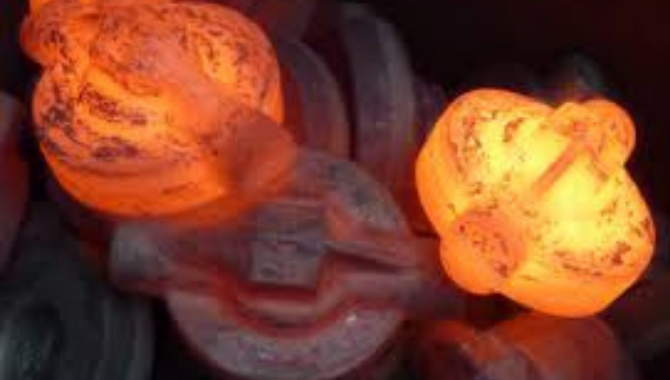
Here is our solution: We forge every valve body. Solid steel. Heated red hot. Hammered into shape under 59,000 tons of pressure. No air pockets. No weak spots.
Forging is widely used for critical parts that cannot fail. For example, aircraft landing gear, engine crankshafts, and high-pressure valves.
Forging costs more than casting. But at 10,000 psi, cheap isn’t safe. Use our forged valves to make sure your system works with no sudden failure at 10,000 psi.
Non-Rotating Stem Tips, Lasts 5x Longer
The rotating stem tip of the needle valve has a problem: every time you close it, the tip spins against the seat. Metal on Metal. Grinding.
Do that every day. After a few months, the seat wears down, the valve leaks, and you have to buy a new one.
Our 10,000 psi needle valve uses non-rotating stem tip, which doesn’t have such a problem.
The tip doesn’t spin. It goes straight up and down like a piston. No grinding. No seat wear.
So how long does it last? A standard valve in daily use might give you 6 months. Ours? Years.
And we don’t charge extra for this. It’s standard on every 10,000 psi valve.
Why Our 10,000 psi Needle Valve Uses a PEEK Seal Ring
Most needle valves leak at 10,000 psi. Here’s why.
Inside a standard needle valve, there’s a small O-ring behind the stem tip. Its job is to seal when the valve is closed. At 3,000 psi, it works fine.
At 10,000 psi, the pressure shoves the O-ring into the gap between the stem and the body. The O-ring extrudes. It tears. It fails.
You don’t get a warning. No slow drip. Just sudden leakage and a system shutdown.
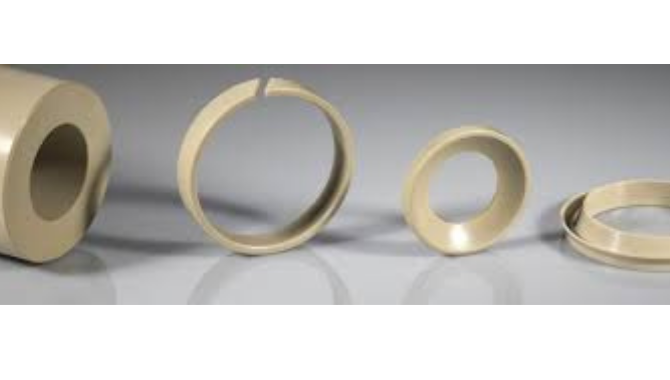
We solved this with a PEEK backup ring.
PEEK is a high-strength engineering plastic. We place a PEEK ring right behind the O-ring. The PEEK ring fills the gap. The O-ring stays where it belongs.
The result: the seal holds at 10,000 psi. Cycle after cycle. No extrusion. No failure.
What does this mean for you?
- No sudden leaks at full pressure
- Longer valve life in high-pressure applications
- No downtime from seal failure
- No angry customers
Yes, PEEK costs more than a bare O-ring. But a valve that leaks at 10,000 psi costs a lot more.
Our 10,000 psi needle valve seals when you need it to. Because the PEEK ring makes sure of it.
Related Products
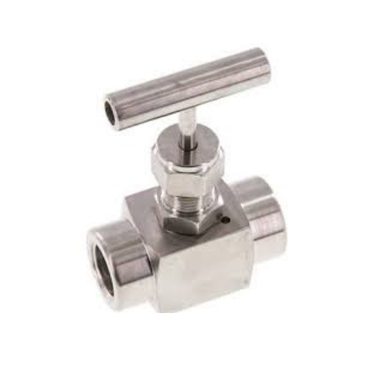


10,000 psi is about 690 bar or 69 MPa. If your system uses metric units, that’s the number to remember. We can provide test certificates and datasheets in bar or MPa if you need them.
No. This is a bad idea. A 6,000 psi valve is not tested to 9,000 psi. It might hold for a while. Or it might fail catastrophically. When a valve fails at 9,000 psi, you get sudden decompression, fluid spray, and a system shutdown. Use a valve rated for your actual pressure.
Yes. All our 10,000 psi needle valves have forged bodies. Cast bodies can have tiny air pockets from the casting process. At 10,000 psi, those air pockets become crack points. Forged is stronger. No exceptions.
We don’t publish burst pressure because you should never get close to it. Working pressure is 10,000 psi. We hydrostatically test each valve to 15,000 psi. That’s the number we guarantee.


