


Are you looking to gain a complete understanding of what a tube fitting is?In this article, we’ll take you through everything you want to know, from the basics of definition, the different types and materials available, to how to choose the right one for your system.
Definition and Key Functions of Conexões de tubo
Tube fitting is a small-bore mechanical connector that joins Instrumentation tubing without welding, also known as Compression fitting or Instrumentation fitting. Here, “tubing” (as opposed to pipe) is specified by its outside diameter (OD) rather than nominal diameter, which is why tube fittings are sized based on OD. Tube fittings serve two key functions in fluid systems: first, ensuring a reliable seal under pressure; and second, securely holding the tubing in place under pressure.
Tube fittings are used to connect tubing in fluid systems such as hydraulic, pneumatic, and instrumentation lines. They provide a leak-free seal and secure the tube against pressure and vibration.
Types of Connection Methods
Compression/Ferrule Connection and Threaded Connection are two main types of connection methods for tube fittings.
Compression/Ferrule connections
Used to connect tubes and fittings. The connection and seal are achieved through the clamping force of the ferrule.
Compression ferrules come in two types: single clamp/single ferrule and double clamp/ponteira dupla.
Single Ferrule vs. Double Ferrule
| Dimensão | Ponteira única | Virola dupla |
| Contagem de ponteiras | 1 | 2 (frente e verso) |
| Classificação de pressão | 3,000-5,000psi | Over 6,000 psi |
| Resistência à vibração | Bom | Excelente |
| Tubo necessário | Em conserva | Recozimento brilhante |
| Reutilização | Limitado: uma vez comprimido, o selo se degrada. | Sim, substitua a ponteira, reutilize o corpo e a porca. |
| Ideal para | Pressão baixa a média, sem vibração. | High pressure, pumps, engines, Instrumentation |
For high-pressure Instrumentation systems where vibration and pressure fluctuations are common, double ferrule designs are generally the safer choice—they deliver superior grip and seal reliability over the long term. 
Threaded connections
Used for connections between fittings, instruments, and auxiliary equipment, the most common types are tapered pipe threads and cylindrical pipe threads. Tapered pipe threads include NPT threads (60° thread angle) and BSPT threads (55° thread angle). Cylindrical pipe threads: There are two types—Straight threads (60° thread angle) and BSPP threads (55° thread angle).
You can learn more about the differences between NPT and BSP, for choosing the fitting that best suits your actual needs.
For pipe fittings, there are standard methods for indicating the thread type and direction.
| Label | Significado | Description |
| M | Male Thread | Threads on the outer surface of the fitting |
| F | Female thread | Threads on the inner surface of the fitting |
| RH | Tighten by turning clockwise | Used in standard applications;
typically not specified |
| LH | Tighten by turning counterclockwise | Used in special applications;
must be specified as “LH” after the model number |
The threads used on tube fittings are predominantly NPT tapered pipe threads; right-hand threads are common in general applications, whereas left-hand threads are used on certain gas cylinders.
In short, compression fittings are for tube-to-tube connections and provide a metal-to-metal seal by deforming a ferrule. Threaded fittings are used to connect the fitting to a port or adapter, with NPT and BSP being the most common thread standards.
Common Types of Tube Fittings
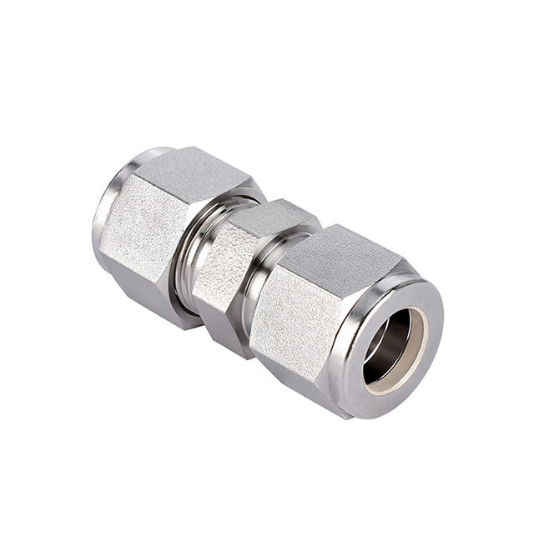
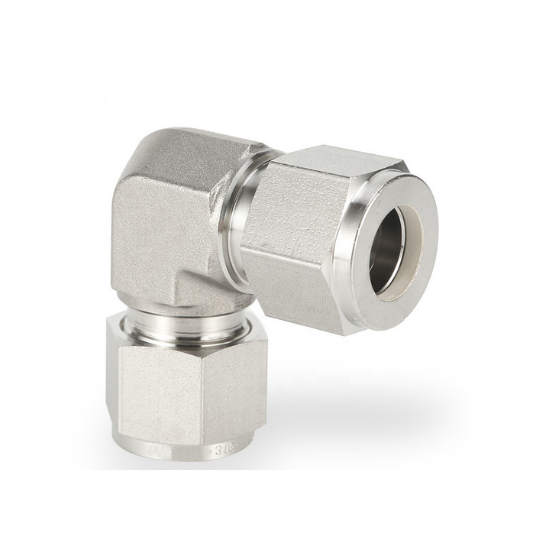
União
Used for the direct connection between tubes—specifically, a fitting that employs ferrule connections at both ends. Best for Instrumentation lines, hydraulic systems, and pneumatic controls.
Common forms include:
Straight Union
Cotovelo da União(90° & 45°)
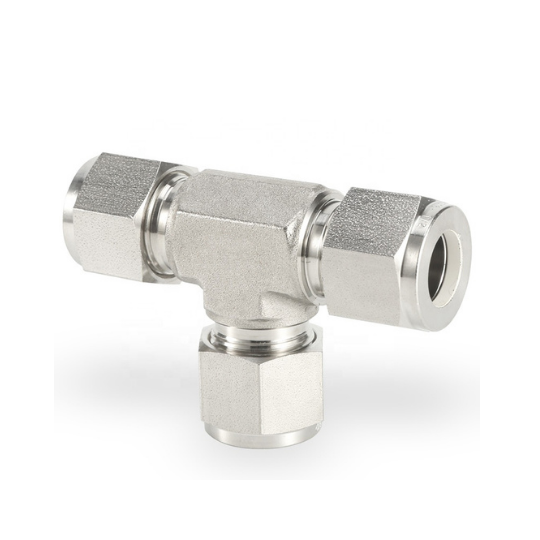
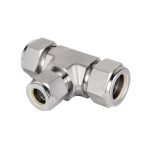
Cruz da União
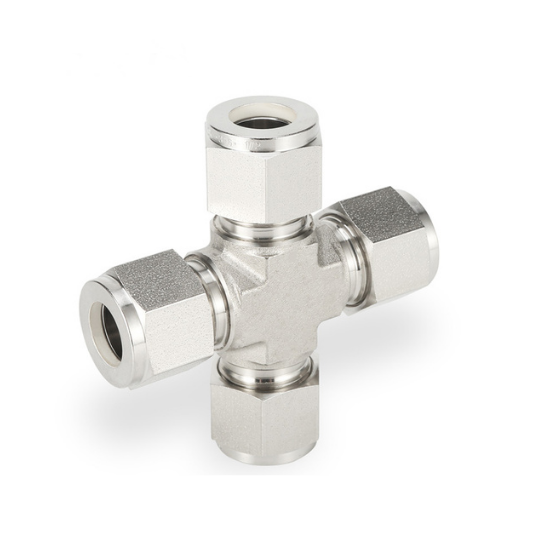
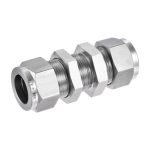
When to choose: Choose a Union when you need a straightforward, removable connection between two tubes. Use Bulkhead Union when passing tubing through a panel or enclosure.
União Redutora
Used to connect tubing of different diameters. The ferrule size at one end matches one tube, while the ferrule size at the other end matches a tube of a different diameter. A single reducing fitting can replace multiple fittings and occupies less space.
When to choose: Choose a Reducing Union when your system design requires stepping down from a larger tube to a smaller one.
Connector
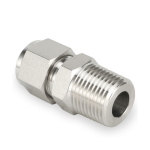
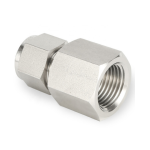
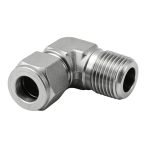
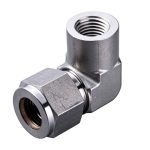
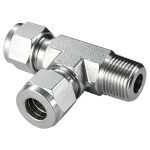
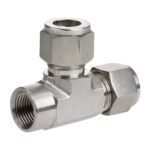
Used for connections between tubing and instruments or auxiliary equipment. One end connects to the tubing via a compression fitting, while the other connects to the equipment port via a threaded connection. Common forms include:
Male/Female Connector
Male/Female Elbow
Male/Female Run Tee
Bulkhead Male/Conector fêmea
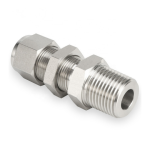
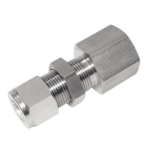
When to choose: Choose a Connector when your tubing needs to terminate at a device with a threaded port.
Gauge Connector
Specialized terminal fittings for connecting tubing to pressure gauges.Common configurations including Straight pressure gauge fitting and Tee pressure gauge fitting.
When to choose: Choose a Gauge Connector when you need to install a pressure gauge in your tubing system. The Tee configuration allows gauge installation while keeping the main line uninterrupted.
Quick Recommendation
For most instrumentation applications, start with a Double Ferrule Union for tube-to-tube connections and a Double Ferrule Connector for tube-to-instrument connections. Use Reducing Unions when tube sizes change, and Gauge Connectors when pressure gauges need to be installed.
Materials
Tube fittings can be manufactured from a variety of materials to meet the requirements of different application scenarios.
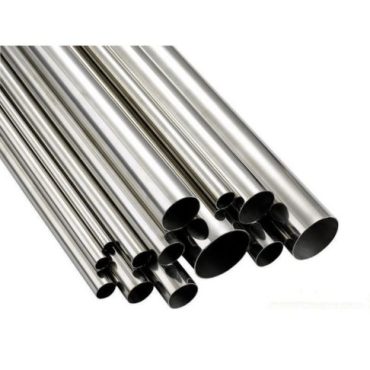
Aço inoxidável (304,316)
Stainless steel is ideal for high-pressure and corrosive environments. The temperature range is from -245°C to 649°C. The pressure can reach 10,000psi. The maximum allowable pressure can reach 20,000 psi.
Aço carbono
The cost is more friendly. The temperature range is from -29°C-427°C. They are not suitable for low temperatures and high-corrosion environments. The maximum allowable pressure can reach 18,000 psi.

Brass has good corrosion resistance, and can endure low temperatures. The temperature range is from -54°C-204°C. Brass material is suitable for low pressure at 3000 psi. So it is a kind of popular material.

Exotic Alloys
- Monel 400
Temperature: -240°C to 538°C
Vantagens: Boa resistência a ácidos, alta resistência a álcalis, alta resistência à corrosão
Aplicação: Engenharia marítima, tanques de gasolina e água doce, trocadores de calor

- Liga 625
Temperature: -196°C to 760°C
Vantagens: Excelente resistência à oxidação, ambientes extremos, resistência à corrosão
Aplicações: Gás natural e petróleo, Nuclear, Aeroespacial, Offshore e marítimo, Químico

- Titânio
Temperature: -269°C to 260°C
Vantagens: Baixa densidade, resistência à corrosão, resistência a produtos químicos, alta resistência
Aplicações: Sistemas de fornecimento de água e gás, fornecimento de ar, sistemas de tubulação offshore de navios.

Sizing
The dimensions of tube fittings are based on the outer diameter (OD) of the tubing, not on the physical dimensions of the fitting itself. Wall thickness and operating temperature determine the system’s pressure-bearing capacity. The greater the pipe wall thickness, the higher the burst pressure, though the internal flow area is reduced; conversely, the thinner the wall, the lower the pressure resistance.
Aplicações
Tube fittings are usually used in multiple industries where reliable, leak-free connections are critical:
Aplicações hidráulicas A maioria das conexões hidráulicas envolve a transferência de fluidos líquidos, como água e outros solventes químicos. As conexões hidráulicas devem ter vedações que impeçam o vazamento de líquidos e, frequentemente, devem ser resistentes à ferrugem ou a outras possíveis corrosões químicas.
Aplicações pneumáticas of tube fittings involve the transfer of gases. Pneumatic fittings must have very tight seals to prevent gas leakage and must be resistant to chemical corrosion.
Outras aplicações de conexões para tubos, como o projeto estrutural, também incorpora conexões para tubos. Essas conexões devem ter forte integridade física, mas normalmente não requerem vedação, pois não transportam fluidos.
Perguntas frequentes
Q1.Can I mix different brand tube fittings/ferrules?
Not recommended. Different manufacturers may have slight variations in ferrule geometry, hardness, and tolerances. Mixing brands can compromise seal integrity and void any performance warranty.
Q2.Can tube fittings be reused?
The body and nut can usually be reused, but the ferrule(s) should be replaced with new ones. Always inspect the body sealing seat for scratches or deformation before reassembly. Reusing a compressed ferrule may result in inadequate grip and potential leakage.
Q3.What causes tube fitting leakage?
The most common causes are: under-tightening or over-tightening, ferrule installed backwards, tube not inserted to the shoulder, damaged tube surface, and mixing metric with imperial sizes.
Choosing Um fabricante confiável de conexões de virola
NPT-LOK has been manufacturing ferrule fittings for more than 20 years. We can offer you a stable and good-quality tube fitting, because we have offered tube fittings to many customers and have experience with many customers’ projects. We can also custom-make a tube fitting following your specific requirements.
Oferecemos tamanhos que variam de 1/8″ a 1″ de diâmetro externo (com suporte para especificações métricas personalizadas).
For more details, feel free to download catálogo de conexões para tubos
Saber mais sobre nós.


