


Are you looking to gain a complete understanding of what a tube fitting is?In this article, we’ll take you through everything you want to know, from the basics of definition, the different types and materials available, to how to choose the right one for your system.
Definition and Key Functions of تجهيزات الأنابيب
Tube fitting is a small-bore mechanical connector that joins Instrumentation tubing without welding, also known as Compression fitting or Instrumentation fitting. Here, “tubing” (as opposed to pipe) is specified by its outside diameter (OD) rather than nominal diameter, which is why tube fittings are sized based on OD. Tube fittings serve two key functions in fluid systems: first, ensuring a reliable seal under pressure; and second, securely holding the tubing in place under pressure.
Tube fittings are used to connect tubing in fluid systems such as hydraulic, pneumatic, and instrumentation lines. They provide a leak-free seal and secure the tube against pressure and vibration.
Types of Connection Methods
Compression/Ferrule Connection and Threaded Connection are two main types of connection methods for tube fittings.
Compression/Ferrule connections
Used to connect tubes and fittings. The connection and seal are achieved through the clamping force of the ferrule.
Compression ferrules come in two types: single clamp/single ferrule and double clamp/حلقة مزدوجة.
Single Ferrule vs. Double Ferrule
| الأبعاد | حلقة تثبيت واحدة | حلقة مزدوجة |
| عدد الحلقات المعدنية | 1 | 2 (الأمام والخلف) |
| Pressure rating | 3,000-5,000psi | Over 6,000 psi |
| مقاومة الاهتزاز | جيد | ممتاز |
| أنبوب مطلوب | مخلل | التلدين الساطع |
| إمكانية إعادة الاستخدام | محدود: بمجرد الضغط، يتدهور مانع التسرب | نعم، استبدل الحلقة المعدنية، وأعد استخدام الجسم والصامولة. |
| الأفضل لـ | ضغط منخفض إلى متوسط، بدون اهتزاز | High pressure, pumps, engines, Instrumentation |
For high-pressure Instrumentation systems where vibration and pressure fluctuations are common, double ferrule designs are generally the safer choice—they deliver superior grip and seal reliability over the long term. 
Threaded connections
Used for connections between fittings, instruments, and auxiliary equipment, the most common types are tapered pipe threads and cylindrical pipe threads. Tapered pipe threads include NPT threads (60° thread angle) and BSPT threads (55° thread angle). Cylindrical pipe threads: There are two types—Straight threads (60° thread angle) and BSPP threads (55° thread angle).
You can learn more about the differences between NPT and BSP, for choosing the fitting that best suits your actual needs.
For pipe fittings, there are standard methods for indicating the thread type and direction.
| Label | معنى | Description |
| M | Male Thread | Threads on the outer surface of the fitting |
| F | Female thread | Threads on the inner surface of the fitting |
| RH | Tighten by turning clockwise | Used in standard applications;
typically not specified |
| LH | Tighten by turning counterclockwise | Used in special applications;
must be specified as “LH” after the model number |
The threads used on tube fittings are predominantly NPT tapered pipe threads; right-hand threads are common in general applications, whereas left-hand threads are used on certain gas cylinders.
In short, compression fittings are for tube-to-tube connections and provide a metal-to-metal seal by deforming a ferrule. Threaded fittings are used to connect the fitting to a port or adapter, with NPT and BSP being the most common thread standards.
Common Types of Tube Fittings
الاتحاد
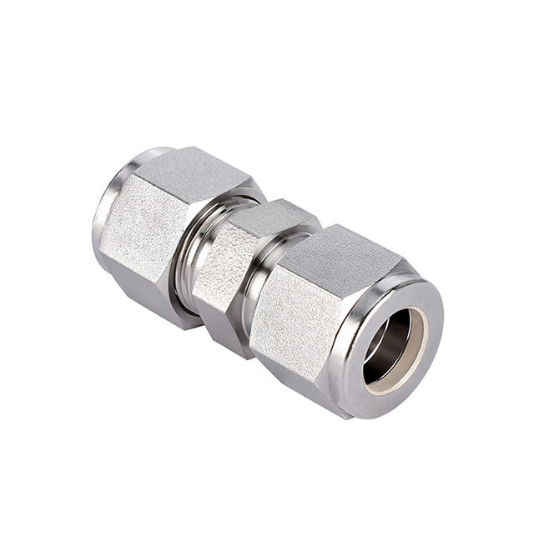
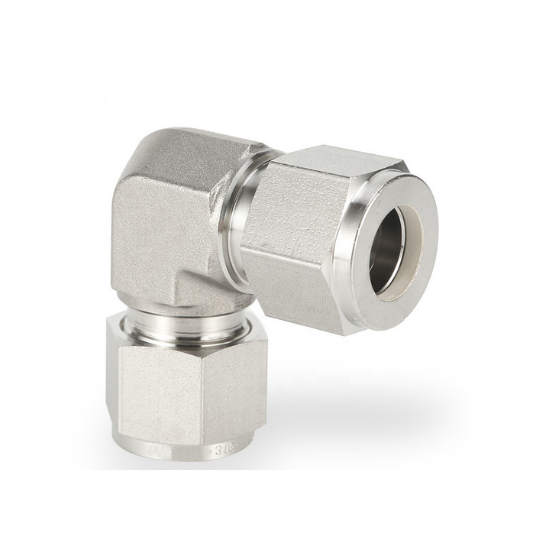
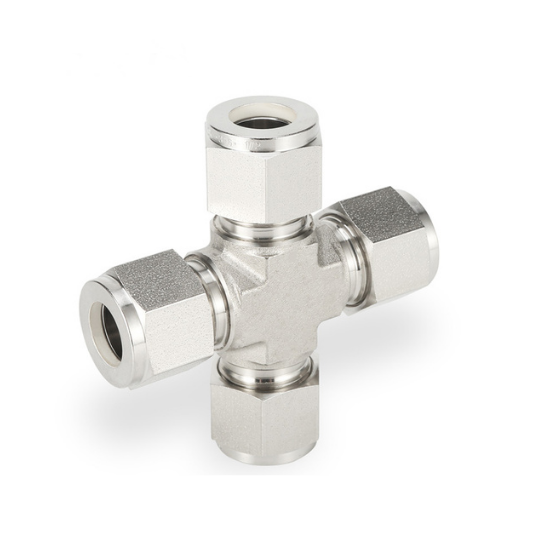
Used for the direct connection between tubes—specifically, a fitting that employs ferrule connections at both ends. Best for Instrumentation lines, hydraulic systems, and pneumatic controls.
Common forms include:
Straight Union
مرفق الاتحاد(90° & 45°)
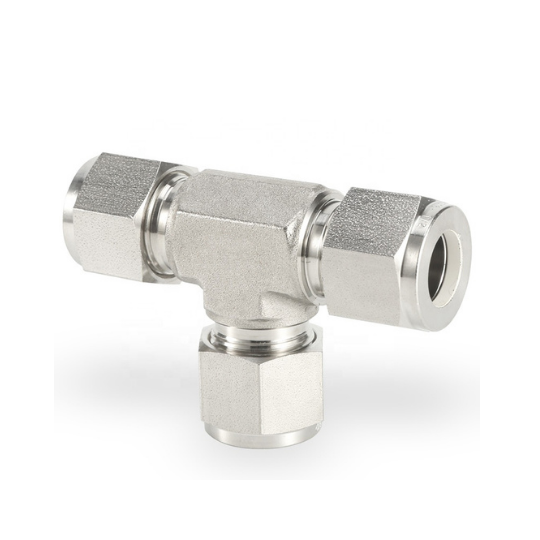
صليب الاتحاد
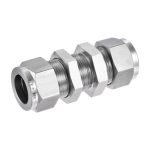
When to choose: Choose a Union when you need a straightforward, removable connection between two tubes. Use Bulkhead Union when passing tubing through a panel or enclosure.
الاتحاد المخفض
Used to connect tubing of different diameters. The ferrule size at one end matches one tube, while the ferrule size at the other end matches a tube of a different diameter. A single reducing fitting can replace multiple fittings and occupies less space.
When to choose: Choose a Reducing Union when your system design requires stepping down from a larger tube to a smaller one.
Connector
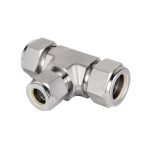
Used for connections between tubing and instruments or auxiliary equipment. One end connects to the tubing via a compression fitting, while the other connects to the equipment port via a threaded connection. Common forms include:
Male/Female Connector
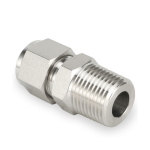
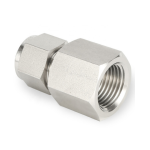
Male/Female Elbow
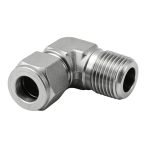
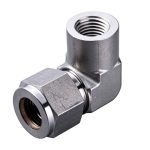
Male/Female Run Tee
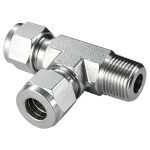
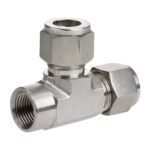
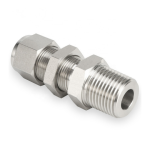
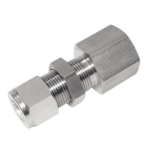
When to choose: Choose a Connector when your tubing needs to terminate at a device with a threaded port.
Gauge Connector
Specialized terminal fittings for connecting tubing to pressure gauges.Common configurations including Straight pressure gauge fitting and Tee pressure gauge fitting.
When to choose: Choose a Gauge Connector when you need to install a pressure gauge in your tubing system. The Tee configuration allows gauge installation while keeping the main line uninterrupted.
Quick Recommendation
For most instrumentation applications, start with a Double Ferrule Union for tube-to-tube connections and a Double Ferrule Connector for tube-to-instrument connections. Use Reducing Unions when tube sizes change, and Gauge Connectors when pressure gauges need to be installed.
Materials
Tube fittings can be manufactured from a variety of materials to meet the requirements of different application scenarios.
الفولاذ المقاوم للصدأ (304,316)
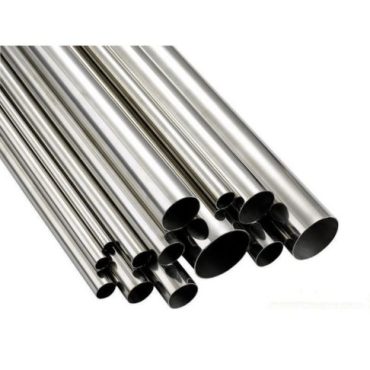
Stainless steel is ideal for high-pressure and corrosive environments. The temperature range is from -245°C to 649°C. The pressure can reach 10,000psi. The maximum allowable pressure can reach 20,000 psi.
الفولاذ الكربوني
The cost is more friendly. The temperature range is from -29°C-427°C. They are not suitable for low temperatures and high-corrosion environments. The maximum allowable pressure can reach 18,000 psi.

Brass has good corrosion resistance, and can endure low temperatures. The temperature range is from -54°C-204°C. Brass material is suitable for low pressure at 3000 psi. So it is a kind of popular material.

Exotic Alloys
- Monel 400
Temperature: -240°C to 538°C
المزايا: مقاومة جيدة للأحماض، مقاومة عالية للقلويات، مقاومة عالية للتآكل
التطبيقات: الهندسة البحرية، وخزانات البنزين والمياه العذبة، ومبادلات السخان

- سبيكة 625
Temperature: -196°C to 760°C
المزايا: مقاومة ممتازة للأكسدة والبيئات القاسية ومقاومة التآكل
التطبيقات: الغاز الطبيعي والنفط، والطاقة النووية، والفضاء الجوي، والبحرية والبرية، والكيميائية

- التيتانيوم
Temperature: -269°C to 260°C
المميزات: كثافة منخفضة، مقاومة للتآكل، مقاومة للمواد الكيميائية، قوة عالية
التطبيقات: أنظمة إمداد المياه والغاز، وتوصيل إمدادات الهواء، وأنظمة الأنابيب البحرية للسفن.

Sizing
The dimensions of tube fittings are based on the outer diameter (OD) of the tubing, not on the physical dimensions of the fitting itself. Wall thickness and operating temperature determine the system’s pressure-bearing capacity. The greater the pipe wall thickness, the higher the burst pressure, though the internal flow area is reduced; conversely, the thinner the wall, the lower the pressure resistance.
التطبيقات
Tube fittings are usually used in multiple industries where reliable, leak-free connections are critical:
التطبيقات الهيدروليكية تتضمن تركيبات الأنابيب نقل السوائل، مثل الماء والمذيبات الكيميائية الأخرى. يجب أن تكون التركيبات الهيدروليكية مزودة بأختام تمنع تسرب السوائل، وغالبًا ما تكون مقاومة للصدأ أو أي تآكل كيميائي محتمل آخر.
التطبيقات الهوائية تتضمن العديد من وصلات الأنابيب نقل الغازات. يجب أن تتمتع الوصلات الهوائية بأختام محكمة للغاية لمنع تسرب الغاز، كما يجب أن تكون مقاومة للتآكل الكيميائي.
تطبيقات أخرى تتضمن تركيبات الأنابيب، مثل التصميم الهيكلي، تركيبات أنابيب أيضًا. يجب أن تتمتع هذه التركيبات بسلامة مادية قوية، ولكنها عادةً لا تتطلب مانع تسرب لأنها لا تنقل السوائل.
التعليمات
Q1.Can I mix different brand tube fittings/ferrules?
Not recommended. Different manufacturers may have slight variations in ferrule geometry, hardness, and tolerances. Mixing brands can compromise seal integrity and void any performance warranty.
Q2.Can tube fittings be reused?
The body and nut can usually be reused, but the ferrule(s) should be replaced with new ones. Always inspect the body sealing seat for scratches or deformation before reassembly. Reusing a compressed ferrule may result in inadequate grip and potential leakage.
Q3.What causes tube fitting leakage?
The most common causes are: under-tightening or over-tightening, ferrule installed backwards, tube not inserted to the shoulder, damaged tube surface, and mixing metric with imperial sizes.
Choosing شركة تصنيع تجهيزات الفيررول الموثوقة
NPT-LOK has been manufacturing ferrule fittings for more than 20 years. We can offer you a stable and good-quality tube fitting, because we have offered tube fittings to many customers and have experience with many customers’ projects. We can also custom-make a tube fitting following your specific requirements.
نقدم أحجامًا تتراوح من 1/8 بوصة إلى 1 بوصة OD (مع دعم للمواصفات المترية المخصصة).
For more details, feel free to download كتالوج تجهيزات الأنابيب
يتعلم أكثر معلومات عنا.


