


This is the third part of our Needle Valve series. If you haven‘t read the first two, here is what you missed:
In this part, we look at where شیرهای سوزنی are actually used and answer common questions.
- Common Applications of needle valves
Oil Industry
High-pressure needle valves are used in the oil industry for applications such as wellhead control panels, sampling systems and chemical injection units.

Pneumatic systems
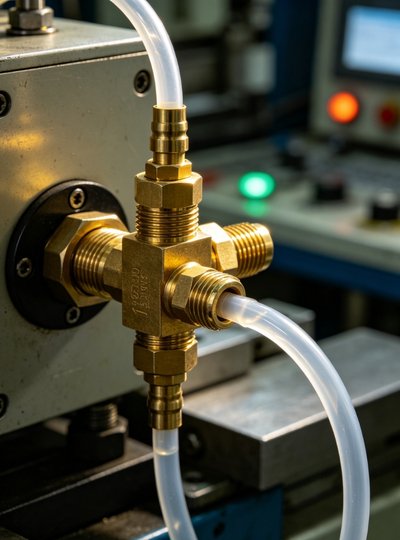
Needle valves are used to control the flow of compressed air to and from a variety of automation equipment and are critical in providing smooth and precise control of processes and functions to ensure safe and efficient operation of machines and related plants.
Laboratories and pharmaceuticals
Needle valves are used to control the flow of gases and liquids. For example, needle valves are used to control the flow of an inert gas in analytical laboratory equipment such as chromatography systems and other laboratory equipment. In some cases, high purity needle valves are required for very sensitive applications in order to prevent contamination.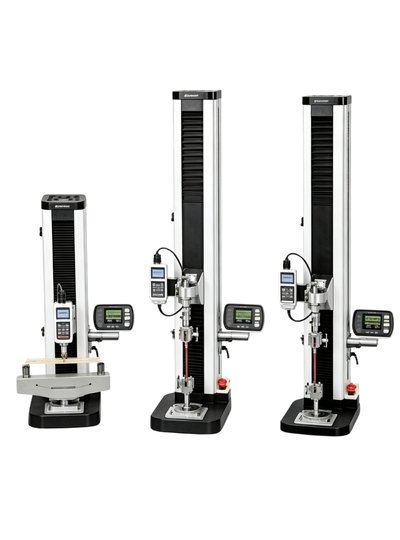
Water and wastewater treatment plants
Needle valves are used in chlorine and other gas feed points, chemical dosing applications, control instruments for water quality measurement.

Vacuum systems
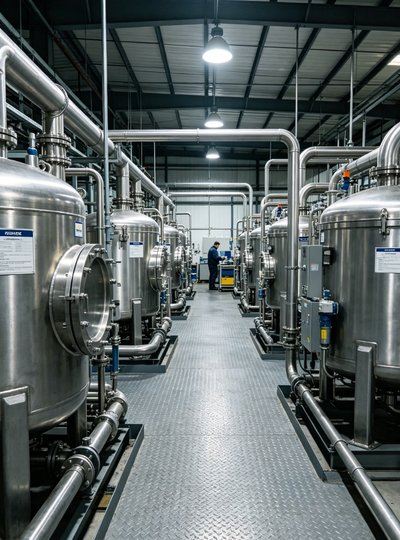
Needle valves are used to allow a small amount of air into a vacuum chamber and need to be controlled precisely in order to maintain the required level of vacuum.
The Gas industry
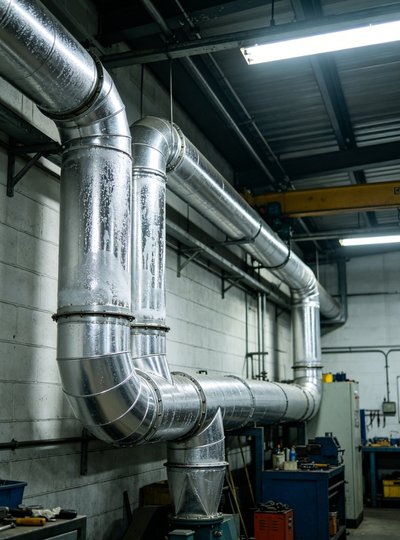
Needle valves are used to control the flow of gas including propane, natural gas and Nitrogen. The safe and precise control of these gases is critical.
Instrumentation and measurement
Needle valves are used as part of pressure gauges, flowmeters and analyzers. They are used for “zeroing” and for calibrating the instrument while in service.

- سوالات متداول
Q1. Needle valves for continuous flow only or can they also be used for shut off of lines?
A: Yes, they are capable of being totally “shut off” and sealed; but not recommended for repetitive “on & off” service, as the seat will wear faster than with a Ball Valve.
Q2. Why shouldn‘t I tighten the needle valve too much?
Needle valves are primarily used to control the amount of fluid flow, and as such they are not ideal for use as ‘on/off’ valves. Although they can be used to shut off the fluid completely and provide a tight seal when closed, they are not recommended for frequent use as shut-off valves as the seat can become damaged quickly. Ball valves are far more suited for such applications.
Q3. PTFE or graphite packing, which one should I pick?
PTFE packing is the standard material for needle valves for fluid services. In ideal cases, PTFE packing is used up to temperatures of 200°C. Graphite packing is used for higher temperature services, above 200°C.
Q4. I have some sort of leak around the stem of the needle valve. What am I doing wrong?
Adding another 1/8 turn to the packing nut on the stem should stop any leaks. Be aware that over tightening the packing nut can prevent the stem from rotating. If this happens the packing will most likely need to be replaced.
Q5. Can I use needle valves for steam service?
Yes, but for use with steam you would need to use Graphite packing instead of PTFE packing as PTFE has a melting point above which it will soften and leak.
Q6. Can you connect NPT to BSP threads of the needle valve?
NPT threads cannot be mixed with BSP threads, as NPT threads have a 60° angle and BSP threads have a 55° angle. Pressuring NPT threads against BSP threads will cause leaks, potentially damaging the threads in the process. Only use NPT threads of the needle valve with other NPT threads, and BSP threads of the needle valve with other BSP threads.
Q7. What is the maximum pressure rating for a needle valve?
Typically Standard Needle valves are rated up to 6,000 psi and we have High-Pressure Needle valves that are rated up to 10,000 psi and higher depending on design.
Q8. Do you provide material certificates?
Yes. MTC with heat number, chemistry and mechanical properties is available on request.
Q9. What is your MOQ?
10 pieces of any size. It is advisable to start small to test the valves and then scale up.
- نکات پایانی
A شیر سوزنی is a very simple industrial valve that can be used to very precisely control the flow of a fluid. The core value of a needle valve is that it allows flow to be controlled, not just opened or closed.
The pressure rating of the selected needle valve must be at least one rating higher than the maximum pressure in the system.
316 stainless steel is the safest material for most applications.
When using needle valves, always remember to use the same type of threads. NPT threads must not be mixed with BSP threads. In the worst case, the threads could even get damaged by trying to force them together, leading to leaks.
Needle valves cost a little to install, but in the beginning, are possibly the most expensive industrial valves on the market. However, in terms of the amount of time they will save you, their long term cost will be minimal.
از اینجا به کجا برویم؟
- Need to understand the basics first? Read What Is a Needle Valve and How It Works
- Need to pick the right one? Read Needle Valve Selection Guide
- Ready to buy? Browse our Needle Valve products or contact us for a quote


